
Where Paris High-End Fashion Intersects With Tennis Tradition
Casablanca Paris was founded on the premise that the most elegant moments in sport unfold not during the competition itself but in the spaces around it—the courtside terrace, the locker room, the post-game dinner. Creative director Charaf Tajer was inspired by his own time spent navigating Parisian cultural scene and Moroccan warmth to build a label that approaches tennis as a visual and cultural universe rather than a competitive discipline. From the very first collection in 2018, Casablanca Paris built a bond with club life through silk shirts decorated with rackets, tennis nets and rich botanical motifs. This was not activewear; it was a fantasy of the tennis life filtered through premium materials and artful illustration. By grounding the label in tennis tradition, Tajer connected with a deep heritage of elegance: consider the white flannels of 1930s competitors, the striped canopies of Roland-Garros and the cocktail culture that envelops Grand Slam competitions. In 2026, this tennis ethos serves as the creative foundation of every Casablanca Paris collection, even as the house develops tailoring, outerwear and finishing pieces that go much further than the court.
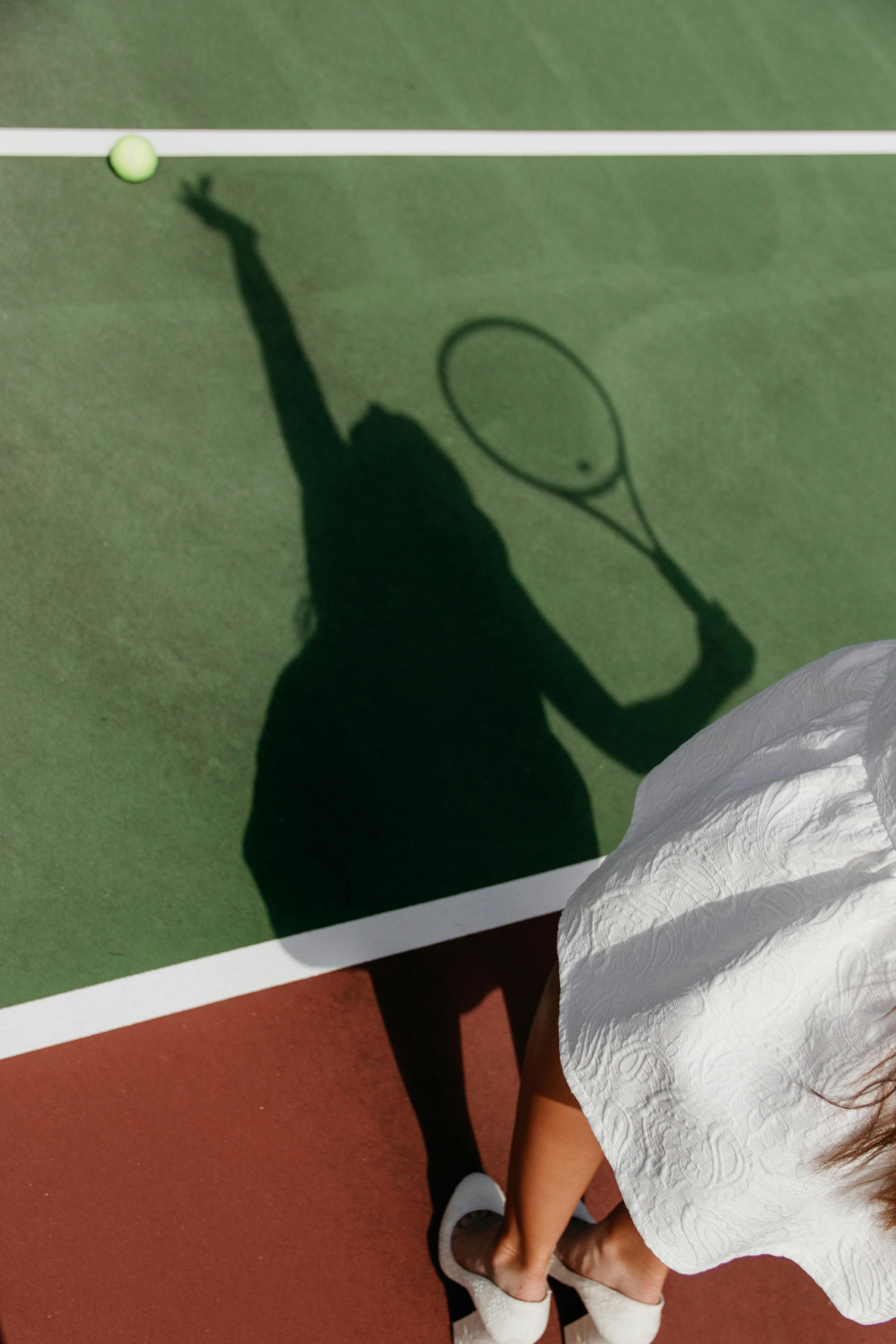
The Tennis Design Language in Casablanca Paris Collections
Tennis supplies Casablanca Paris with a built-in aesthetic toolkit that is both precise and widely resonant. Clay-court reds, grass-court greens, net-white stripes and sun-yellow highlights permeate each season’s palettes, lending each collection a sport-inspired cadence. Graphics portray tournaments, onlookers, awards and Mediterranean venues executed in a painterly, softly nostalgic manner that steers clear of conventional sportswear aesthetics. Logo crests borrow the heraldic format of imaginary tennis clubs, instilling a sense of membership and exclusivity without imitating any existing institution. Knitwear frequently includes cable-knit or patterned motifs recalling old-school tennis jumpers, while collared shirts and polo designs echo match-day outfits. Terry cloth—a textile synonymous with sideline towels and wristbands—is used in shorts, robes and relaxed tops, reinforcing the tactile link with tennis. Even accessories like caps, visors and wristbands display the Casablanca Paris crest, elevating practical items into collectible brand signifiers. This comprehensive strategy ensures that the tennis theme appears genuine and growing rather than monotonous, sustaining casablanca shirt women shoppers captivated across numerous seasons in 2026 and beyond. A branded cap or woven belt can additionally strengthen the tennis atmosphere without overloading the overall look.
Standout Tennis-Inspired Pieces Across Seasons
| Piece | Tennis Reference | Common Fabric | Price Bracket (2026) |
|---|---|---|---|
| Silk printed shirt | Courtside viewer | Mulberry silk | $700–$1 200 |
| Terry shorts | Club locker room | Cotton terry | $350–$500 |
| Knit polo | Match-day uniform | Merino / cotton blend | $400–$650 |
| Track jacket | Pre-match layer | Satin / tricot | $600–$900 |
| Logo cap | Sun protection on court | Cotton twill | $150–$250 |
| Embroidered sweatshirt | Club identity | Dense fleece | $450–$700 |
Why Tennis Culture Connects With Premium Buyers
Tennis has historically been tied to prosperity, prestige and social refinement, making it a natural ally of designer fashion. Private clubs, exclusive courts and prestigious competitions provide environments where fashion, social grace and design sensibility come together. Unlike aggressive sports that prioritise physicality, tennis celebrates poise, finesse and personal style—characteristics that align closely with the principles of upscale fashion labels. Casablanca Paris leverages this cultural heritage by offering pieces that conjure an perfected version of the tennis world: endlessly sun-drenched, consistently communal, without exception beautifully styled. This aspirational picture draws in customers who may never compete in competitive tennis but who enjoy the lifestyle it stands for. In 2026, as health and fitness more and more overlap with style, the tennis connection seems even more appropriate. Tournaments like Wimbledon, the US Open and Roland-Garros continue to attract celebrity interest and media coverage, strengthening the link between tennis and style. Casablanca Paris thrives in this environment by establishing itself as the wardrobe for customers who want to look like they belong at the most prestigious institutions in the globe, whether they swing a racket or not.
How Casablanca Paris Stands Apart From Other Tennis-Inspired Brands
Multiple fashion brands have drawn on tennis motifs over the years, from Ralph Lauren’s Wimbledon collaborations to Lacoste’s heritage collection and Nike’s runway-adjacent athletic ranges. What makes Casablanca Paris distinct is the degree of its focus on the aesthetic and its refusal to make performance sportswear. While other houses may drop a seasonal capsule inspired by tennis every few seasons, Casablanca Paris constructs its entire identity around the sport. Every drop offers garments that could plausibly exist in a fictional tennis club from the 1970s, modernised with present-day tones, graphics and shapes. The label never produces genuine performance tennis apparel—there are no moisture-wicking fabrics, no tournament-level shoes—which ensures the focus on lifestyle and culture rather than performance. This distinction is key because it situates Casablanca Paris alongside high-end labels rather than athletic brands, supporting higher prices and more complex creative output. In 2026, rivals keep on launch intermittent tennis-themed collections, but none have threaded the concept as completely into their DNA as Casablanca Paris, granting the label a creative edge that is tough to imitate.
Styling Casablanca Paris With a Tennis Mood in 2026
To integrate the Casablanca Paris tennis energy into routine ensembles, start with one statement piece that carries an obvious athletic allusion—a illustrated silk shirt, a terry short, or a knit polo—and assemble the rest of the look around it with clean basics. For men, teaming a silk shirt with tailored cream trousers and suede loafers creates a elegant dinner or holiday ensemble that recalls the courtside gathering. For women, pairing a Casablanca polo paired with a flowing midi skirt with minimal sandals delivers a sport-luxe look perfect for urban lunches and art exhibitions. Layering is also useful: throw a track jacket over a clean T-shirt and jeans to inject a burst of colour and athletic mood without resorting to full theme. During colder seasons, a knit or sweatshirt with a understated tennis crest can layer beneath a trench or blazer, contributing warmth and charm to a polished casual outfit. The guiding principle is subtlety—let the Casablanca Paris piece take centre stage while the rest of the outfit offers a calm foundation. This equilibrium ensures the tennis nod elegant rather than over-the-top.
The Cultural Significance and Trajectory of Casablanca Paris Tennis Fashion
Beyond clothing, Casablanca Paris has played a role in a more expansive cultural shift in which tennis is reclaimed as a fashion reference for a newer, more multicultural demographic. Digital content featuring players, artists and performers sporting the brand have expanded the scope of tennis fashion beyond traditional private-club circles. Temporary activations at grand slam events, exclusive releases timed to Grand Slams and joint projects with tennis bodies ensure the label creatively engaged in sporting settings. In 2026, the reach of Casablanca Paris is apparent not only in its own sales but in the broader fashion world’s renewed appetite for courtside dressing and recreational athletics. Other luxury houses have begun adding sporting imagery, pleated skirts and terry materials into their collections, a development that can be linked in part to the blueprint Casablanca Paris created. For buyers, this signals more possibilities and more acceptance of tennis-inspired clothing in daily life. For the label itself, the challenge is to stay creative within its defining domain so that it stays the authoritative voice of premium tennis culture rather than one of many. Given Charaf Tajer’s deep personal attachment to the concept and the brand’s history of considered growth, Casablanca Paris looks set to maintain that place for years to come. For more on the intersection of tennis and style, see articles at Vogue and Highsnobiety.